Ada County Sheriff’s Office investigators say a death inside a Boise Catholic church in December 1982 could be tied to the infamous Tylenol murders that same year.
The Boise death, an ID—and a lead
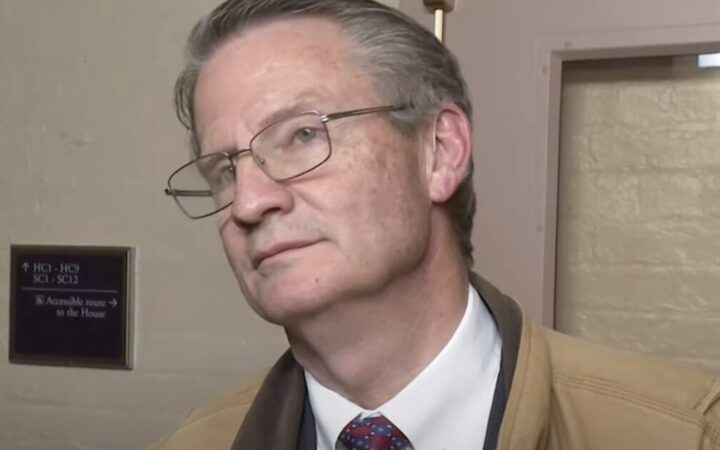
According to an Ada County Sheriff’s Office news release, a man who killed himself in a Boise Catholic church in December 1982 carried no identification, only a large amount of cash and a typed letter bearing a false name. Cold case Detective Tim Cooper reopened the file in 2019 and concluded—through photographs and DNA—that the deceased was Dr. Mathew Betkouski, the same person as a Florida man who vanished in 1982.
Why Betkouski drew attention
The sheriff’s office says Betkouski had worked in two drugstores during college and had discussed cyanide’s ability to kill without detection. Cooper stated that “Mathew Betkouski lived in five states over the course of his life — California, Texas, New Mexico, Ohio and Florida,” and added: “We’re hoping that getting his story out generates new leads, not just for this case, but for others we may not even know about yet. I’m especially interested in learning more about his movements between Oct. 15 and Dec. 4, 1982.”
Links to cyanide—and a troubled history
Cooper said, as quoted by the Hollywood Reporter, that Betkouski “was a brilliant man, but he struggled to connect with people in life.” Cooper also said Betkouski had “a documented fascination with chemistry and the use of explosives from a young age, and did put others at risk on more than one occasion,” and that “in 1974, Dr. Betkouski sustained a traumatic brain injury, which caused some of his problems to manifest in more concerning ways than they had before.”
According to Cooper, “In 1975, Dr. Betkouski worked for a flavors and fragrances company in the Jacksonville area, and after about three years, concerns mounted after co-workers reported Dr. Betkouski discussing the perfect crime and how cyanide could be used as a less messy means of taking one’s life.” Cooper added that Betkouski was fired by Lockheed in 1982 “following an incident at a local pharmacy,” where he “attempted to obtain some type of pills or capsules … for an experiment.”

The Chicago case remains unsolved
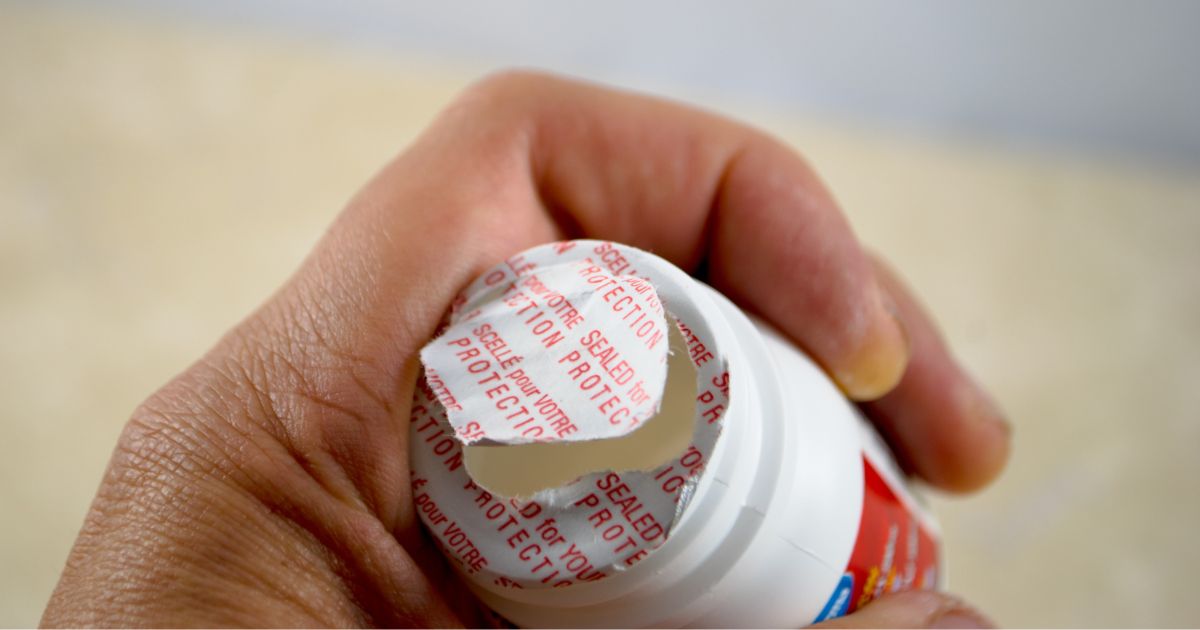
As noted by Chicago History, seven people in the Chicago area died in a short span in fall 1982 after potassium cyanide replaced medicine in Tylenol capsules. No suspect has been identified. One person who came forward was later dismissed as a fraud and jailed for attempting to extort Tylenol’s parent company. The case prompted nationwide recalls and new tamper-evident packaging rules for over-the-counter drugs.
Experts and next steps
Forensic psychiatrist Dr. Park Dietz said that by 2021 he believed Cooper “was making connections that linked Betkouski to the Tylenol case.” The Ada County Sheriff’s Office says it has shared its information with the Chicago Police Department.
More details are slated to appear in an Unsolved Mysteries episode titled “Unmasking the Tylenol Killer,” premiering Oct. 9 on The Roku Channel. Series director Terry Dunn-Meurer said the program includes “never-before-seen evidence about this new possible suspect in the Tylenol murder case.” The show’s official account promoted the release date in a Sept. 23, 2026 post on X.
What investigators want now
Cooper appealed for tips on Betkouski’s movements, particularly between Oct. 15 and Dec. 4, 1982. The sheriff’s office framed getting the story out as a way to surface leads in this and potentially other cases.